


How to know if I have the right surfboard?
Beginners’ guide to surfing
Table of Contents
Introduction
Article 1 – 5-minute beginners guide to surfing equipment
Common Questions
Article 2 – How difficult is it to learn to surf?
Article 3 – How late is too late to start surfing?
Article 4 – Is surfing an expensive hobby?
Surfboards
Article 5 – Surfboards: How to choose a surfboard?
Article 6 – Surfboards: What are surfboards made of and how do I take care of them?
Article 7 – Surfboards: Which size surfboard should a beginner use? Why?
Article 8 – Surfboards: What’s a good beginner’s surfboard to buy?
Other Equipment
Article 9 – How to choose a surfboard leash (legrope)
Article 10 – Why do surfboards have fins?
Article 11 – Why do surfers put wax on surfboards?
Article 12 – Surfboard Tail Pad & Boardbag. Do you need them?
Article 13 – What wetsuit should I buy?
Extras
Article 14 – Top 15 Mistakes When Buying a Surfboard Setup
Article 16 – How and Where Should I Start Learning to Surf?
Article 17 – Top Ten Resources to Teach Yourself to Surf
Article 18 – Where to Learn to Surf
Article 19 – What are the Best Surf Schools?
Article 20 – What is the best time to surf?
Article 21 – What are the Best Surfer Hacks?
Article 22 – What are some things that you shouldn’t do while surfing?
Article 23 – What should surfers do to be safe?
Article 24 – How often do surfers break surfboards?
Article 25 – How to position your surfboard – in and out of the water
In the first few articles we covered the basics you need to know when you’re first getting into surfing – now it’s time to go into a little more detail. Over the next few pieces we’ll focus specifically on surfboards, covering everything from what surfboards are made of to what a beginner should buy, hopefully making it a little easier for you to make a decision about what you need.
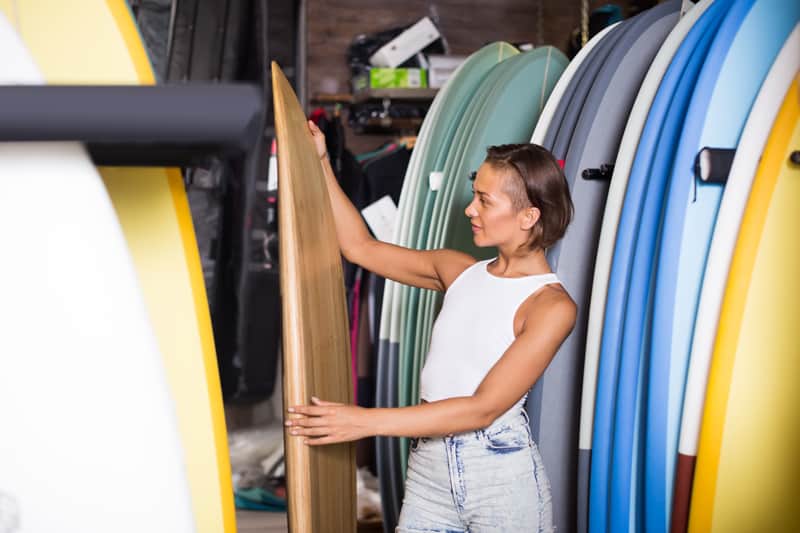
We won’t lie – there’s a whole lot that you need to consider when looking into what surfboard is best for you. Have you surfed before or are you completely new to it? What sort of body type do you have? How confident are you in the water? Where will you be surfing? How much of your hard-earned are you willing to part with? All of these things come into consideration and can make the whole process a little overwhelming for some.
But it can be simplified. There is plenty of complex terminology and technology being pushed by some brands which will probably mean very little to you, but that’s okay. People who are newer to surfing don’t need to spend too much energy concerning themselves with the latest updates to board development – your biggest concern should be finding a durable board with plenty of stability. The fancy technology can wait until you’re a little more proficient in the water.
So keep it simple. Remember, your primary focus should be getting the board that will make it as easy as possible for you to progress. Try to err on the side of buying something that is a little below your level than something that is a little too advanced, because if you opt for the latter you’ll quickly find that it’s very hard for you to get anywhere. Choose something long and stable, and you’ll find it much easier to progress as a surfer.
Just how long and how stable will depend on a few of the questions above. For example, if you’re particularly tall you’ll probably want to look at something close to 9’0 or more, but if you’re only 5’0 yourself you won’t need that much length. Likewise, if you’re on the heavier side make sure you get something with plenty of volume to help out with stability.
-
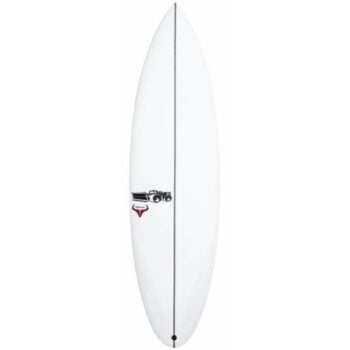
 JS Industries Surfboards Raging Bull Round Tail$1,099.00
 -
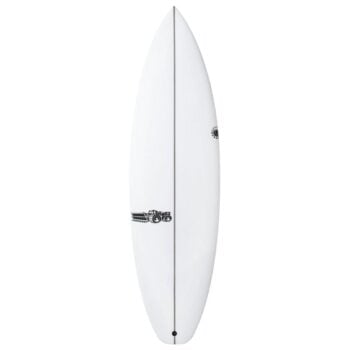
JS Industries Surfboards Xero Gravity Pu$1,099.00
-
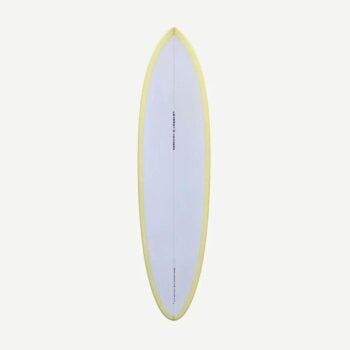
Channel Islands Ci Mid$1,469.00
-
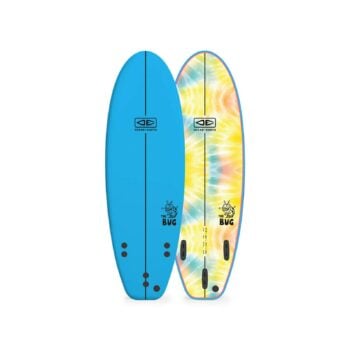
Ocean and Earth Bug Softboard 5’2$360.00
-
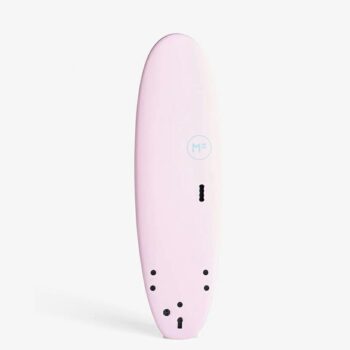
Mick Fanning Softboards Mick Fanning MF Mini Beastie Supersoft 6’0$595.00
-
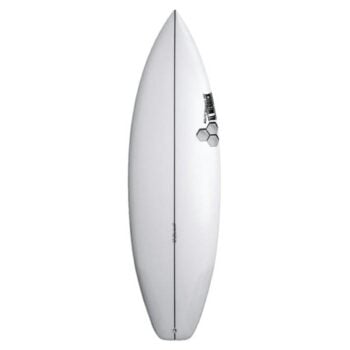
Channel Islands Dumpster Diver 2Price range: $799.00 through $949.00
As we mentioned in previous articles, it’s important to seek out some help to ensure you don’t waste money on a board that’s not suited to you. Surf teachers, those working in surf shops, or even just friends and family who surf can provide you with plenty of good advice, so make sure you ask and take on board what they have to say.
If you stick with surfing and manage to develop it into a lifelong pastime you’ll probably go through plenty of boards, but what you choose as your first is key in getting to that stage. Do the required research, and you should have no problems in doing just that.
Over the next few articles we’ll go into greater depth about the differences between surfboards. We’ll talk about what they’re made of, what materials are best for beginners, go into more detail about different sized boards, and finally, make some specific recommendations to help you out, so keep reading.

