



How to Surf
Beginners’ guide to surfing
Read Time: 5 Minutes
Table of Contents
Introduction
Article 1 – 5-minute beginners guide to surfing equipment
Common Questions
Article 2 – How difficult is it to learn to surf?
Article 3 – How late is too late to start surfing?
Article 4 – Is surfing an expensive hobby?
Surfboards
Article 5 – Surfboards: How to choose a surfboard?
Article 6 – Surfboards: What are surfboards made of and how do I take care of them?
Article 7 – Surfboards: Which size surfboard should a beginner use? Why?
Article 8 – Surfboards: What’s a good beginner’s surfboard to buy?
Other Equipment
Article 9 – How to choose a surfboard leash (legrope)
Article 10 – Why do surfboards have fins?
Article 11 – Why do surfers put wax on surfboards?
Article 12 – Surfboard Tail Pad & Boardbag. Do you need them?
Article 13 – What wetsuit should I buy?
Extras
Article 14 – Top 15 Mistakes When Buying a Surfboard Setup
Article 16 – How and Where Should I Start Learning to Surf?
Article 17 – Top Ten Resources to Teach Yourself to Surf
Article 18 – Where to Learn to Surf
Article 19 – What are the Best Surf Schools?
Article 20 – What is the best time to surf?
Article 21 – What are the Best Surfer Hacks?
Article 22 – What are some things that you shouldn’t do while surfing?
Article 23 – What should surfers do to be safe?
Article 24 – How often do surfers break surfboards?
Article 25 – How to position your surfboard – in and out of the water
Following on from our previous piece, in which we began to talk about the process of getting into the water, this article will look at the top resources you can utilise when learning to surf, from enlisting the help of people in the know to learning how to read surf reports.
1 – Surf Instructor
A surf instructor is probably the most effective way to learn the fundamentals of surfing. They will be experienced in teaching the basics and able to offer you tailored advice while you’re in the water. Generally you can opt for either lessons in a group or more private lessons – as you might have guessed, private lessons are ideal as the instructor will have his or her eyes focused solely on you, but the associated costs are more as a result. Group lessons are still worthwhile and, for a lot less money, can be a valuable resource.
2 – Family and Friends
A lot of the same benefits that you can get from a surf instructor can also be gained from friends and family, and unless they’re particularly stingy this advice will come for free. Heading out into the water with someone you know who can already surf can be a huge help if they’re willing to hang around and help you out. This is often more difficult than you may realise, and as you flail around in the whitewater hoping for advice you’ll probably see them longingly looking out the back to where the clean waves are breaking, but if you can convince them to hang around for a little while and help you it can be of significant benefit.
3 – YouTube Videos/Online Tutorials
There is a raft of information about learning to surf available online, and videos and online tutorials can be a huge help when learning to surf. Obviously the downfall of these when compared to the above two resources is that they won’t be specifically tailored to you and can’t offer advice once you’re actually in the water, but in terms of filling you in on the fundamentals and honing your technique, they are definitely worth making the most of. An added advantage of these is that you can watch them over and over again, so even if you find you’re forgetting the advice out in the water, you can really drill it into your memory through repetition.
4 – Online Articles
In a similar vein to videos and online tutorials, there’s plenty of useful written information out there to help you – we should know, we’ve written a bunch of it! Whether this is advice about equipment and general tips, or more specific advice related to pop-up techniques and the like, it can all come in handy. Again, like with point three the downfall of this is that the advice isn’t going to be specific to you, but partnered up with other resources listed in this article it will definitely be beneficial.
5 – Your Equipment
Moving away from getting advice, the equipment you purchase or rent is a key resource and can have a major impact on your ability to progress – something you may have already picked up from our in-depth articles about everything from surfboards and wetsuits to leashes and wax. An appropriate board is arguably the most important resource in the whole process of learning to surf, and can be the difference between steadily progressing, and completely stagnating and subsequently not wanting to continue surfing. Make sure you take a look through our previous articles to get a handle on what you need before you head out into the water.
6 – Your Body
Another hugely important resource which many people don’t consider as such is your body itself. Surfing requires a lot more strength and fitness than many people realise, and while you’re perfectly able to learn to surf if you haven’t been doing a lot of exercise, it’s a whole lot easier if you have been. Keeping fit will enable you to stay in the water and hone your skills for longer, general strength will help you paddle further and faster, while flexibility and core strength will make the whole standing up thing a lot more straightforward. There are various ways to train your body for surfing and each has a different impact – things like running and strength training will help, while yoga or similar activities can have a massive impact on your core strength and flexibility if that’s your thing. Again, this isn’t to say you can’t try your hand at surfing if you aren’t super fit, but it certainly helps.
7 – Surf Reports
It’s a reality of surfing that you’re at the mercy of the weather conditions in terms of your ability to practice. Unlike most other pastimes, you can’t just get up and practice surfing whenever you like. Learning to read surf reports will make it far easier for you to plan when to get wet, and fortunately, it isn’t all that complicated. A common resource which is available worldwide is MagicSeaweed, which tells you the swell size, wind direction and tides. Windguru is another good one which tends to be pretty spot on, particularly for wind forecasts. Practice comparing these reports to the appearance of the ocean and you’ll quickly develop an understanding of what conditions are going to be suitable for you.
-
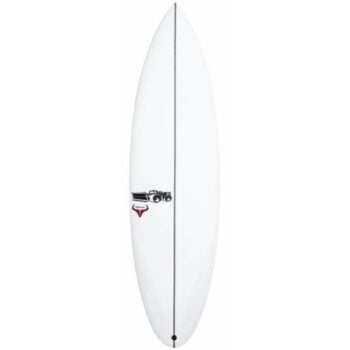
 JS Industries Surfboards Raging Bull Round Tail$1,099.00
 -
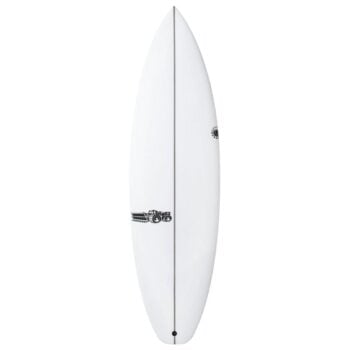
JS Industries Surfboards Xero Gravity Pu$1,099.00
-
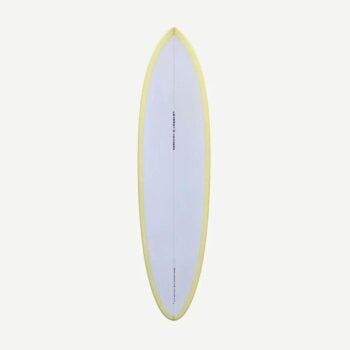
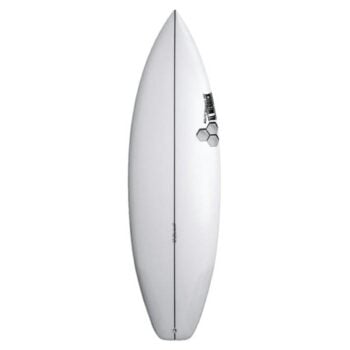
Channel Islands Ci Mid$1,469.00
-
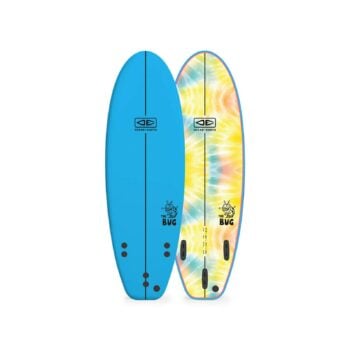
Ocean and Earth Bug Softboard 5’2$360.00
-
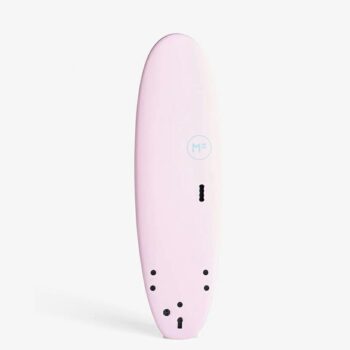
Mick Fanning Softboards Mick Fanning MF Mini Beastie Supersoft 6’0$595.00
-
Channel Islands Dumpster Diver 2Price range: $799.00 through $949.00
-
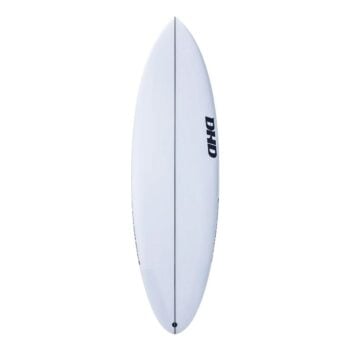
DHD Surfboards Black Diamond Pu$1,095.00
-
Used Second Hand Surfboard Boss Up 7’0 Ridden Once (pick Up Only)$850.00

8 – Read Up on Surfing Etiquette
Knowing the basics of surfing etiquette is an invaluable resource as it will not only give you the confidence to know when to go and when not to go, but it will also help you to avoid getting on the bad side of the locals. There are a lot of unwritten rules about what to do and what not to do in the water, so these are definitely worth reading up on. The most pertinent of them is the priority rule; basically this dictates that the surfer closest to the break of the wave has priority, so if a surfer to your right wants to go left or vice versa, it’s theirs. Otherwise, you’ve got right of way.
9 – Watching Other Surfers
Watching other people surf can be a great way to develop your own skills. Fortunately there are plenty of worse ways to spend time than sitting around on the beach watching people get waves, so spend a little bit of time doing this and you’ll absorb some of the habits of good surfers. Watch how they position themselves on the wave, on their board, as well as the way they manoeuvre their body once they’re standing up.
10 – Practice
Last but certainly not least, arguably the most valuable resource you have at your disposal when learning to surf is practice. Surfing isn’t something that you can just pick up in a day or two – it requires sustained, quality practice, and the more you’re able to get out in the water the more quickly you’ll develop your skills. There will be days when you feel as though you’ve progressed significantly and days where you feel like you’ve gone backwards, but as a general time the more time you spend practicing the more you’ll progress.
All of these resources have the capacity to help you significantly as you embark on your mission to learn to surf. Each of them individually is useful, but the more of them the utilise the better off you’ll be.

