


Surfing: What are the best surfer hacks?
Beginners’ guide to surfing
Reading Time: 5 -Minutes
Welcome to the start of your surfing journey! Getting the right equipment is the most important first step to ensure you have fun and stay safe in the water. This guide is your central hub for understanding the essential gear every beginner needs. We’ll cover the basics here and provide links to our more detailed guides on every topic.
1. Your First Surfboard: Stability is Key
Choosing your first surfboard is the most important decision you’ll make. A beginner’s board should be stable and forgiving, which makes it easier to paddle, catch waves, and stand up. The key to this is volume. More volume means more flotation and stability.
- Best for Learning – The Soft Top (‘Foamie’): We recommend almost every new surfer starts on a soft top surfboard. Their foam construction is safer (for you and others), incredibly durable, and they have the high volume you need to catch waves easily.
- The Next Step – The Mini-Mal / Funboard: If you’re a fast learner or looking for your second board, a mini-mal is a great choice. These boards have a traditional fibreglass construction, offering more performance and allowing you to start learning to turn properly.
Our Recommendation: We have a specially curated collection of boards that are perfect for those just starting out. You can shop our full range of beginner-friendly surfboards here.
-
 Nsp Magnet 7’6 Pu CreamOriginal price was: $849.00.$749.00Current price is: $749.00.
 -
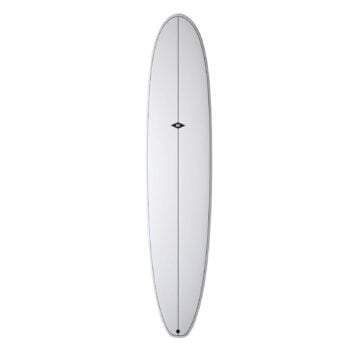
Nsp Longboard 9’0 Elements WhiteOriginal price was: $939.00.$749.00Current price is: $749.00.
-
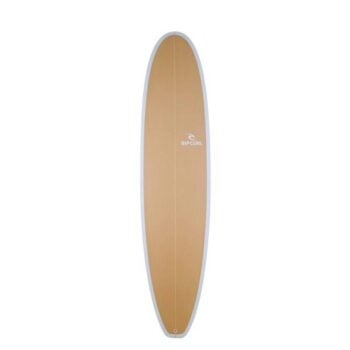
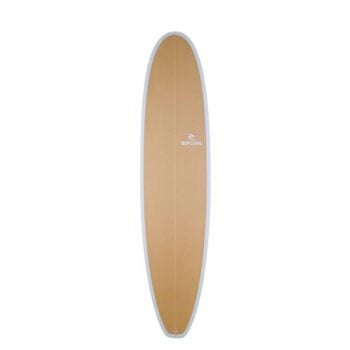
Rip Curl All Day Mini Mal FCSII 7’6$900.00
-
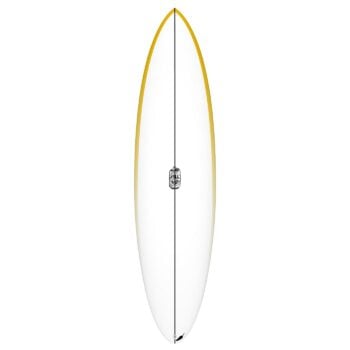
Chilli Surfboards Chilli Full Strength Pu – Rail Spray Fade MustardOriginal price was: $1,250.00.$949.00Current price is: $949.00.
-
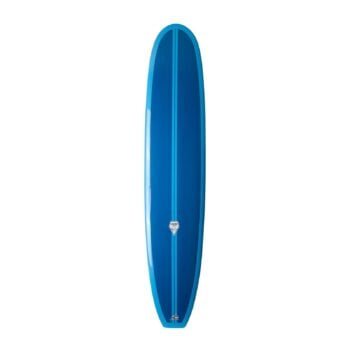
Nsp Sleep Walker 9’2 Hdt BlueOriginal price was: $1,149.00.$949.00Current price is: $949.00.
-
Rip Curl All Day Mini Mal FCSII 8’0$950.00

2. The Wetsuit: Stay Warmer, Surf Longer
A good wetsuit is essential in most Australian waters. It keeps you warm and comfortable, allowing you to stay in the water for longer and focus on improving. Wetsuit thickness is measured in millimetres (mm). For the NSW South Coast, a 3/2mm full-length wetsuit (a “steamer”) is the perfect all-rounder for most of the year.
Our Recommendation: A quality wetsuit is one of the best investments you can make. We stock the world’s best brands, and you can explore our collections here:
3. The Leg Rope (Leash): Your Lifeline
A leg rope is a non-negotiable piece of safety equipment. It tethers your board to your ankle so you don’t have to swim to shore every time you fall off. It also prevents your board from becoming a hazard to other surfers. A simple rule is to use a leash that is roughly the same length as your surfboard.
Our Recommendation: Don’t hit the water without one. You can find our full range of surfboard leg ropes here.
4. Surf Wax: Get a Grip
Surf wax is applied to the deck of your board to create a grippy, non-slip surface for your feet. Without it, a surfboard is incredibly slippery. Make sure you get the right temperature wax (e.g., “Cool” or “Warm”) for your local conditions.
Our Recommendation: It’s always good to have a spare block in your car. Stock up on surf wax here.
Table of Contents
Introduction
Article 1 – 5-minute beginners guide to surfing equipment
Common Questions
Article 2 – How difficult is it to learn to surf?
Article 3 – How late is too late to start surfing?
Article 4 – Is surfing an expensive hobby?
Surfboards
Article 5 – Surfboards: How to choose a surfboard?
Article 6 – Surfboards: What are surfboards made of and how do I take care of them?
Article 7 – Surfboards: Which size surfboard should a beginner use? Why?
Article 8 – Surfboards: What’s a good beginner’s surfboard to buy?
Other Equipment
Article 9 – How to choose a surfboard leash (legrope)
Article 10 – Why do surfboards have fins?
Article 11 – Why do surfers put wax on surfboards?
Article 12 – Surfboard Tail Pad & Boardbag. Do you need them?
Article 13 – What wetsuit should I buy?
Extras
Article 14 – Top 15 Mistakes When Buying a Surfboard Setup
Article 16 – How and Where Should I Start Learning to Surf?
Article 17 – Top Ten Resources to Teach Yourself to Surf
Article 18 – Where to Learn to Surf
Article 19 – What are the Best Surf Schools?
Article 20 – What is the best time to surf?
Article 21 – What are the Best Surfer Hacks?
Article 22 – What are some things that you shouldn’t do while surfing?
Article 23 – What should surfers do to be safe?
Article 24 – How often do surfers break surfboards?
Article 25 – How to position your surfboard – in and out of the water

